Anxiety Therapy & Counselling in Singapore
Take Back Control from the Overthinking Cycle.
Counselling for chronic worry, panic and overthinking. Drawing on cognitive and behavioural techniques alongside other evidence-based approaches, therapy helps you understand what drives your anxiety and builds practical skills for steadying racing thoughts and strong emotional reactions.
- Learn to interrupt anxious thoughts and worry loops.
- Gain practical tools to manage panic and social fear.
- Work towards living with less fear.
What You Need to Know About Anxiety
Anxiety is a natural stress response, but when it becomes excessive, persistent, and debilitating, it is time for support. This constant worry disrupts your focus, sleep, and relationships, often causing physical symptoms like tension or a rapid heart rate.
Around 10% of people in Singapore experience anxiety. Generalised Anxiety Disorder affects approximately 0.9% to 1.6% of adults at some point in their lives. For young people aged 15 to 35, about 27% report severe or extremely severe anxiety symptoms, often linked to social media use and academic or workplace pressures.* On average, individuals live with anxiety disorders for 6 to 9 years before seeking professional support.
In a society where expectations can feel intense, anxiety does not have to define you. Counselling provides a steady space to understand what lies beneath these feelings, develop practical ways of managing them, and regain a clearer, calmer sense of direction.
You do not need a formal diagnosis to begin. If worry, panic, or overthinking is affecting your daily life, that is reason enough. For a fuller explanation of symptoms and causes, read our guide to anxiety and how therapy helps. If you are a parent, our guide to teenage anxiety in Singapore may help.
* Sources: Singapore Mental Health Study (Institute of Mental Health, 2010 and 2016); National Youth Mental Health Study (Institute of Mental Health, 2024).
Are You Experiencing Anxiety?
Recognising the signs is the first step toward finding relief. You may be struggling with anxiety if you experience any of the following:
Mental & Emotional Signs
- Uncontrollable Worry: Persistent fear or worry that you cannot switch off.
- Restlessness: Feeling constantly “on edge” or keyed up.
- “Blankness”: Difficulty concentrating or mental “overthinking”.
- Overthinking: Constant self-doubt, replaying conversations, or worrying about future scenarios. This can show up as perfectionism or impostor syndrome.
Physical & Behavioural Signs
- Physical Tension: Muscle tension, fatigue, or stomach discomfort.
- Sleep Problems: Trouble falling asleep, staying asleep, or experiencing unrestful sleep. See our page on sleep difficulties.
- Racing Heart: Physical symptoms like a rapid heartbeat, shortness of breath, or dizziness.
- Fear of Anxiety Triggers: Avoiding situations or places due to fear of anxiety.
What Fuels Your Anxiety?
Life Stressors
- High-pressure environments (work, academia)
- Major life transitions (relocation, job change)
- Financial stress or uncertainty
- Social isolation or strained relationships
Biological & Past Factors
- Family history (genetic predisposition)
- Chronic health issues (including past hormonal imbalances)
Lifestyle Factors
- Substance overuse (caffeine, alcohol, certain medications)
How the Anxiety Cycle Keeps Itself Going
Anxiety is rarely just a feeling. It tends to run as a cycle, and understanding that cycle is often the first thing that brings relief.
It usually starts with a trigger: an email from your manager, a crowded train, a sensation you noticed in your chest. Your mind reads it as a threat and begins to predict the worst. Your body responds with a racing heart, tight muscles, or a churning stomach, which feels like proof that something really is wrong.
Then comes the part that seems sensible at the time. You avoid the situation, check again, ask for reassurance, over-prepare, or leave early. The anxiety drops, and the relief teaches your brain that avoiding was the right call. The next time, the fear arrives sooner and feels stronger, and your world gets smaller.
Therapy works by interrupting this cycle at several points: changing how threats are read, helping the body settle, and gradually testing the feared outcome in a way you control. It is also why reassurance from friends, however kind, rarely lasts. It brings the same short relief without changing the pattern.
If your anxiety shows up mainly as sudden surges of fear, see our page on panic attacks. If it centres on the judgement of others, see social anxiety, or dating anxiety if it appears mainly in romantic settings.

Anxiety and Related Conditions We Support
Anxiety takes different forms. Some conditions below, such as OCD and PTSD, are classified separately from anxiety disorders but share many of the same symptoms.
Generalised Anxiety Disorder (GAD)
Excessive, persistent worry about everyday life (work, health, finances) that is difficult to control. See our anxiety guide.
Social Anxiety Disorder
Intense fear of being judged, embarrassed, or humiliated in social or performance settings. Read about social anxiety.
Panic Disorder
Recurrent, sudden panic attacks with physical symptoms like chest tightness, racing heart, or dizziness. Read about panic attacks.
Specific Phobias
Overwhelming, irrational fear of a specific object or situation (for example, flying, heights, or animals). Read about fears and phobias.
Obsessive-Compulsive Disorder (OCD)
Distressing, intrusive thoughts (obsessions) followed by repetitive actions (compulsions) to reduce anxiety. Read about intrusive thoughts.
Post-Traumatic Stress Disorder (PTSD)
Anxiety, flashbacks, and hypervigilance resulting from a past traumatic event. See trauma and PTSD counselling.
How Anxiety Counselling Helps
Anxiety Counselling helps you:
- Find Your Calm: Learn practical, evidence-based techniques to help settle your mind and feel more in control.
- Regain Control: Understand your triggers and root causes to build a greater sense of mastery in daily life.
- Build Resilience: At The Bridge Counselling, we use evidence-based techniques for stress and difficult situations.
- Improve Well-being: Enhance emotional regulation, leading to better focus and energy.
- Safe Support: Get a completely safe, non-judgmental space to talk openly about your deepest fears and worries.

Evidence-Based Therapies for Anxiety
Click on a therapy below to find out more:
Exposure Therapy
Gently reduces fear by safely confronting anxiety triggers in gradual steps.
Further Reading on Anxiety
Anxiety looks different for everyone, and it often helps to understand what is happening before deciding what to do about it. These guides explore the signs, causes and treatment options in more depth, at your own pace.

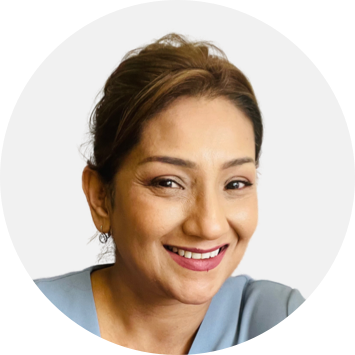


Making Sense of Anxiety
In this short video, Sharon explains what anxiety is, why it happens, and how it affects your body and mind. Clear, calm, and reassuring, she helps you understand that anxiety is a human response that can be understood and managed.
WATCH VIDEO
Frequently Asked Questions on Anxiety Counselling
If anxiety is affecting your sleep, focus, relationships, or daily life, counselling can help. You do not need a formal diagnosis to start therapy.
Worry becomes a concern when it is hard to control, lasts for weeks or months, and interferes with sleep, work, relationships, or daily activities. A counsellor can help you understand where your experience sits, although only a doctor or psychiatrist can give a formal diagnosis.
Yes. Anxiety often manifests through the body. Counselling can help you understand and manage the link between your physical sensations and emotional stress.
Yes. Therapy helps you understand what happens in the body during a panic attack, why it feels so frightening, and how to respond in ways that loosen its hold over time.
Not always. Many clients benefit from therapy alone, while others use counselling alongside medication prescribed by a doctor. Your counsellor can discuss options and work collaboratively with your GP or psychiatrist if needed.
Absolutely. Many high-performing individuals in Singapore experience invisible anxiety. Counselling provides space to slow down, reflect, and regain balance.
You talk through what brings you in, how anxiety shows up for you, and what you would like to change. Your counsellor explains how they work and answers your questions. There is no pressure to share more than you are ready to.
Progress varies. Some clients notice relief after a few sessions, while deeper patterns may take longer to address. Your counsellor will review progress regularly.
Our fees are set out on the counselling fees page so you can see them before you book.
Yes. Online sessions are available for those who prefer to begin therapy in a familiar or private setting.
It Is Time to Find Your Calm.
Anxiety does not have to control your concentration, sleep, or energy. At The Bridge Counselling, we offer evidence-based, client-focused support to help you ease the worry and feel more confident in daily life in Singapore.
Book a Session