Trauma & PTSD Counselling Singapore
Feel Present, Safe, and in Control.
Our counsellor is a Certified Clinical Trauma Specialist, specialising in trauma-informed therapy to safely process painful, stored memories, restoring your sense of security and giving you back control over your emotions and daily life.
- Neutralise intrusive memories, flashbacks, and nightmares.
- End the exhaustion of chronic hypervigilance.
- Rebuild confidence and control over emotional reactions.
Healing the Past to Live in the Present
Trauma is the emotional, psychological, and physical wound caused by a distressing or life-threatening event such as violence, accidents, or abuse. It overwhelms your ability to cope, leaving lasting effects on your emotions and sense of safety.
Post-Traumatic Stress Disorder (PTSD) develops when trauma remains unresolved for months or years, leading to distress, flashbacks, and a feeling of reliving the event. Counselling provides a structured, safe space to process the wound and reclaim control over your life.
Is Your Past Controlling Your Present?
Unresolved trauma is often mistaken for stress or anxiety. You may need focused support if you struggle with the following:
INTRUSIVE & EMOTIONAL SIGNS
- Flashbacks or Nightmares: Reliving the traumatic event.
- Avoidance: Steering clear of people or reminders linked to the trauma.
- Emotional Numbness: Feeling detached, or experiencing guilt or shame.
- Reactivity: Irritability, emotional outbursts, or unpredictable mood swings.
PHYSICAL & BEHAVIOURAL SIGNS
- Hypervigilance: Constantly on guard or easily startled.
- Somatic Symptoms: Muscle tension, faligue, or rapid heartbeat.
- Sleep or Focus Issues: Trouble resting or concentrating.
- Self-Blame: Persistent shame or self-criticism.
Understanding the Types of Trauma We Address
Trauma can affect people in different ways depending on how it occurred, how long it lasted, and how the nervous system responded. Below is a simple framework that helps explain some of the trauma patterns commonly seen in counselling work.
Acute Trauma
Psychological shock that follows a single overwhelming event, such as a serious accident, sudden loss, assault, or natural disaster. Even one incident that threatens safety or life can leave the body and mind in a heightened state of alarm if it is not processed with care and support. It can lead to acute stress disorder (ASD), which may begin within days of the event and last up to a month.
Chronic Trauma
Trauma that develops from repeated or ongoing exposure to distressing experiences. This may include sustained physical, emotional, or sexual abuse, domestic violence, neglect, or prolonged instability such as growing up in unsafe or deprived conditions. The cumulative impact can shape how a person sees themselves, others, and the world.
Complex Trauma
Trauma arising from multiple, prolonged, or interpersonal experiences of harm, often beginning in childhood. Situations such as long-term abuse, abandonment, coercive control, or war-related experiences can disrupt emotional regulation, identity, and the ability to form secure relationships, with effects that extend into adulthood.
The Power of Focused Trauma Therapy
Trauma therapy helps you move beyond survival to live fully again. We focus on:
Reclaiming Safety
Restoring trust and security in your world.
Reducing Reactivity
Building emotional regulation and calm.
Ending Flashbacks
Minimising intrusive memories and nightmares.
Finding Meaning
Encouraging post-traumatic growth and renewed identity.
Mind-Body Connection
Releasing stored tension from trauma through awareness.
Healing After Trauma, At Your Own Pace
Healing does not happen all at once. It takes time, and often happens in small, quiet steps. What once felt overwhelming can begin to feel a little easier, and what seemed stuck can slowly begin to change. With support, you can start to understand what you have been through, feel more like yourself again, and move forward with a greater sense of steadiness: We offer:
- A Safe Space: Confidential environment for processing difficult experiences.
- Targeted Techniques: Methods that neutralise painful memories.
- Body-Focused Healing: Grounding and regulation of physical symptoms.
- Empowerment: Moving from survival to strength and self-trust.

Our Therapist is a Certified Clinical Trauma Specialist
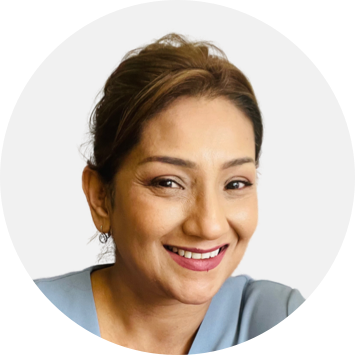
Sharon Dhillon is a Certified Clinical Trauma Specialist, trained to provide sensitive and compassionate support for individuals navigating the effects of traumatic experiences.
She is equipped with a deep understanding of trauma’s impact on emotional, mental, and physical well-being, and employs evidence-based approaches to help you build resilience, restore a sense of safety, and work towards healing.

Specialised, Evidence-Based Trauma Therapies
Click on a therapy below to find out more:
Additional Insights



Frequently Asked Questions on Trauma & PTSD Counselling
Yes. It is possible to be living with the effects of trauma without recognising it as trauma. Trauma is not only defined by what happened, but by how an experience affected your sense of safety, control, or emotional stability at the time. It may show up in everyday ways such as feeling constantly on edge, emotionally numb, easily overwhelmed, or disconnected from yourself or others.
No. You can begin therapy even if memories are incomplete or blurred. Healing does not require reliving every moment.
Trauma-informed therapy moves at your pace and focuses on safety. Your counsellor will teach grounding skills before exploring deeper material.
Not necessarily. Trauma can also stem from long-term emotional neglect, bullying, or loss. The impact matters more than the event itself.
PTSD often involves flashbacks and hypervigilance, so therapy includes specific techniques for calming the nervous system and processing intrusive memories safely.
Yes. Trauma affects both body and mind. Techniques such as breathwork, somatic awareness, and grounding can reduce physical stress responses.
Yes, with rare legal exceptions such as immediate risk of harm. Otherwise, your sessions remain fully confidential.
It Is Time to Stop Just Surviving.
You deserve to feel safe, calm, and present. Trauma does not have to define your story. Healing begins with the right support.
Take the first step toward recovery today.
